Kai Coleman · 30 September 2026
Tracing teh Role of Digital Twin Technology in Optimizing Valve Performance for Industrial Fluid Systems
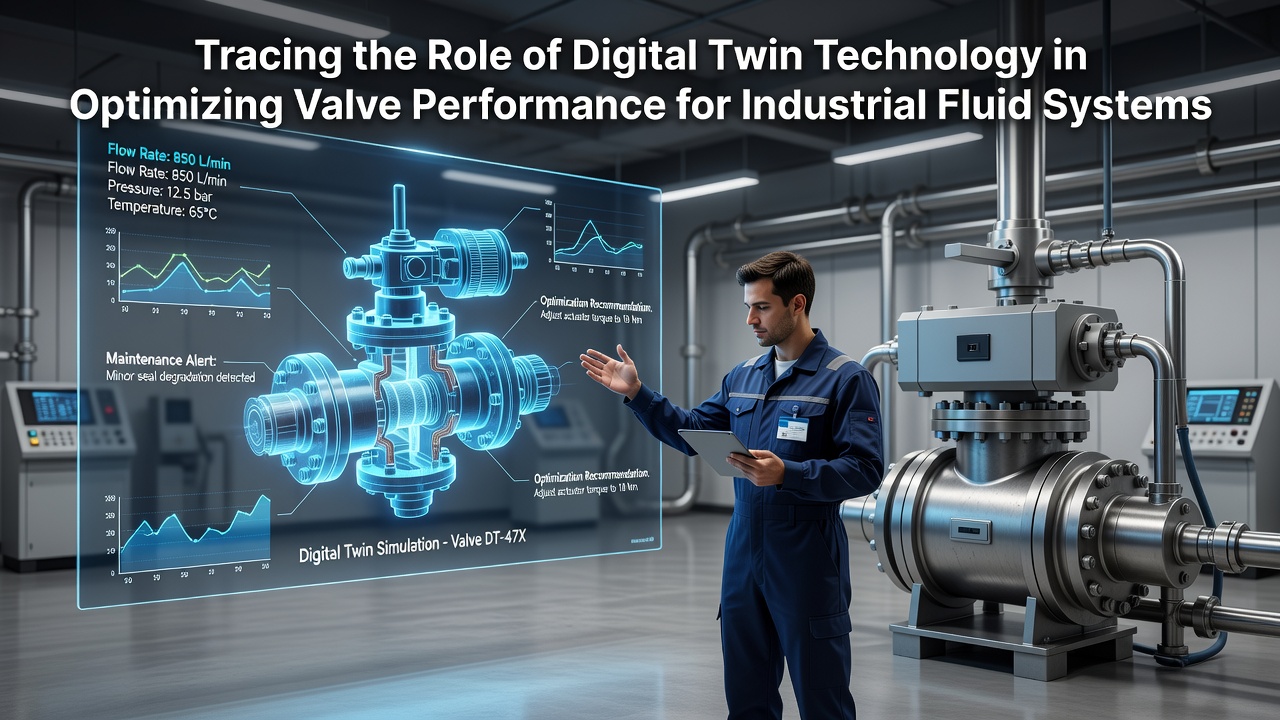
Digital twin technology creates virtual replicas of physical valves and their surrounding fluid networks, and researchers have tracked its adoption across sectors where precise flow control determines operational efficiency. The approach integrates sensor data from installed valves with simulation models that update continuously, which allows operators to test adjustments before they affect live systems. In practice this means pressure readings, temperature fluctuations, and wear indicators feed directly into the twin so that performance predictions stay aligned with actual conditions.Core Mechanisms Behind Digital Twin Integration
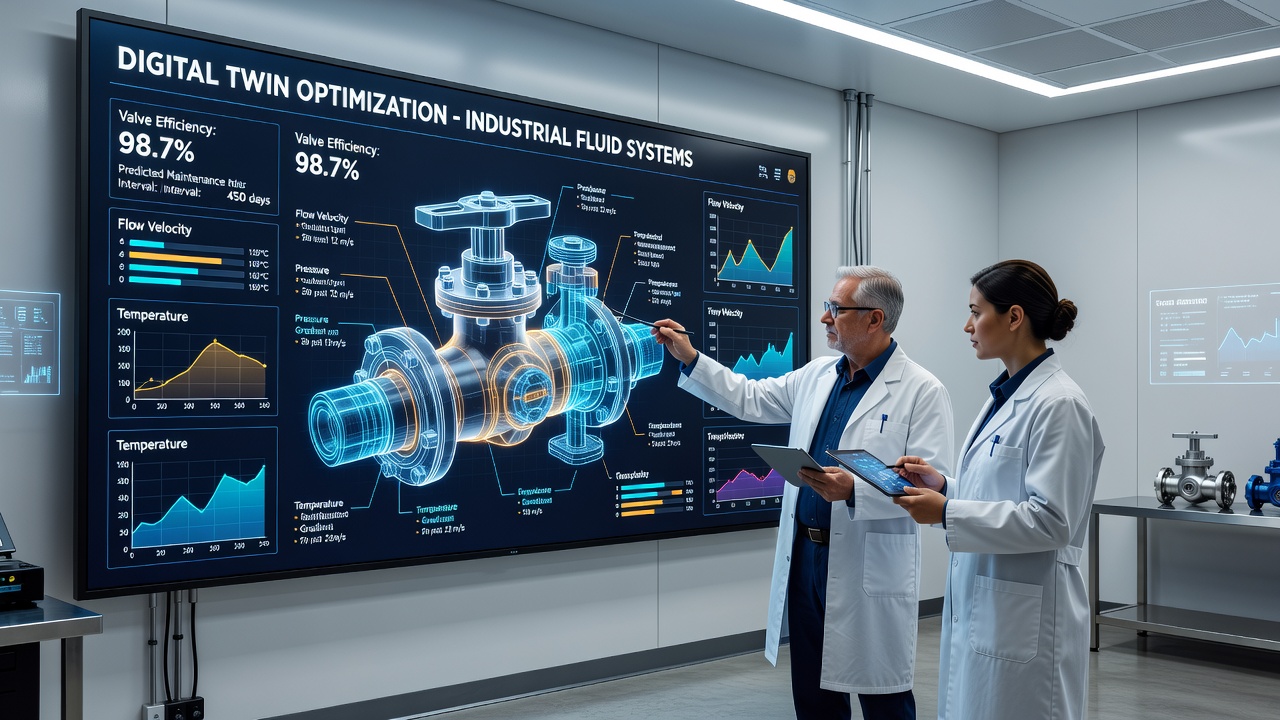
Engineers construct these twins by combining computational fluid dynamics software with real-time telemetry from embedded sensors on gate, globe, and ball valves. Data streams transmit through industrial protocols such as OPC UA, and the model recalculates flow coefficients whenever new measurements arrive. Studies from the U.S. Department of Energy show that such synchronization reduces unplanned downtime by enabling early detection of seat erosion or stem misalignment before leakage exceeds acceptable thresholds.
Because the twin runs in parallel with the physical asset, teams can simulate changes in fluid viscosity or upstream pressure variations without halting production lines. This capability proves especially useful in chemical processing plants where valves handle corrosive media, since operators can evaluate material upgrades or actuator recalibrations inside the model first.
Performance Gains Documented Across Multiple Industries
Water treatment facilities in Australia have reported measurable improvements after linking digital twins to their control valves. Flow optimization routines derived from twin outputs cut energy consumption at pumping stations by matching valve positions more closely to demand curves, according to data released by the Commonwealth Scientific and Industrial Research Organisation. Similar implementations in European refineries demonstrate that predictive maintenance schedules generated by twins extend mean time between valve overhauls, because the models flag deviations in torque signatures weeks ahead of failure.
Implementation Steps Observed in Recent Deployments
Facilities typically begin with a baseline audit that maps every valve's location, size, and duty cycle. Next they install additional instrumentation where gaps exist, then calibrate the virtual model against historical operating records. Once the twin achieves acceptable accuracy, operators run scenario analyses that test responses to pump failures, seasonal demand spikes, or feedstock composition shifts. A report from the National Institute of Standards and Technology outlines standardized validation procedures that compare twin outputs against physical test rigs, ensuring the model remains reliable as equipment ages.
During 2025 several pilot projects expanded these models to include supply-chain variables such as spare-part availability, which lets planners sequence maintenance windows around predicted valve degradation curves. By September 2026 industry conferences are scheduled to review aggregated results from multi-site deployments, with emphasis on interoperability standards that allow twins from different vendors to exchange data across shared fluid networks.
Limitations and Ongoing Refinements
High-fidelity twins demand substantial computing resources and clean data streams, which can strain older control systems still running legacy protocols. Observers note that model drift occurs when sensor calibration slips or when unmodeled phenomena such as cavitation appear downstream. Research teams continue to develop adaptive algorithms that detect and correct such drift automatically, drawing on machine-learning techniques trained against both simulated and field data sets.
Security considerations also receive attention because digital twins expose operational parameters to external networks. Standards bodies in Canada and the European Union have issued guidelines that require encrypted data links and segmented network architectures before twins connect to enterprise systems.
Conclusion
Digital twin applications for industrial valves continue to evolve as sensor costs decline and modeling software becomes more accessible. Evidence from multiple regions indicates that continuous synchronization between physical valves and their virtual counterparts supports tighter control over flow parameters, earlier identification of wear patterns, and more informed decisions about maintenance timing. As validation methods mature and cross-vendor compatibility improves, the technology is positioned to expand from pilot installations to standard practice in fluid-handling operations worldwide.